
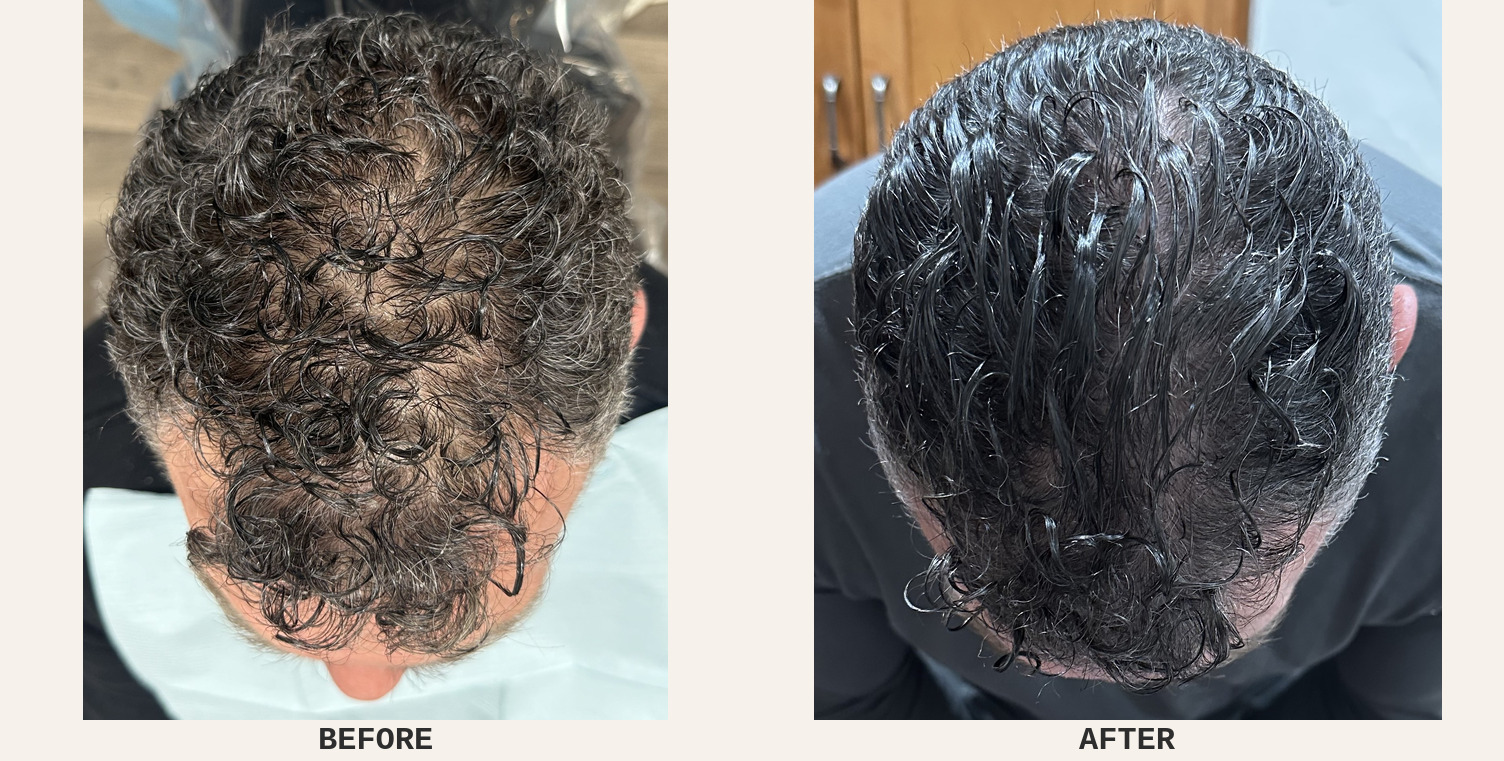
You've probably heard of PRP for hair loss. But have you heard of iPRF — the second-generation evolution of PRP that releases growth factors over days instead of minutes? At Anagen Medical Institute in Edmond, OK, iPRF is what we use for hair regeneration, paired with FDA-cleared red light therapy as an adjunct. The result is a natural, non-surgical approach to thinning hair, pattern baldness, and regrowth that targets the actual biology of how follicles recover.
Why Hair Thins in the First Place
The most common cause of hair loss in both men and women is androgenetic alopecia — pattern hair loss driven by a gradual miniaturization of hair follicles. Each cycle, the new hair comes in thinner, weaker, and shorter, until eventually the follicle stops producing visible hair altogether.
Other contributors include hormonal shifts (especially postpartum and perimenopause), thyroid imbalance, iron and vitamin D deficiency, chronic stress, and inflammation around the follicle. A real hair restoration plan starts by ruling these out, not just treating the symptom.
iPRF vs PRP for Hair Restoration
PRP (Platelet-Rich Plasma) was the first regenerative option for hair loss and is still the most widely marketed. It concentrates the growth factors from your own blood and delivers them to the scalp in a single burst. The science is solid — multiple peer-reviewed trials show PRP increases hair density — but the delivery is the limitation. Growth factors release within hours, while follicle stimulation is a slow, multi-week process.
iPRF (Injectable Platelet-Rich Fibrin) is the second-generation evolution. It's processed without anticoagulants or animal-derived additives, and the natural fibrin matrix releases growth factors gradually over 7–10 days instead of all at once. iPRF also retains a higher concentration of white blood cells and stem-cell-like progenitor cells than first-generation PRP. For follicle biology, sustained release matched to the hair cycle is what we want.
That's why iPRF is what we use at Anagen for hair regeneration. PRP works; iPRF works better for this application. For the deeper science behind the difference, see Understanding the PRP and PRF Process.
Quick comparison
PRP: First-generation. Anticoagulants required. Growth factors release in hours. Widely available.
iPRF: Second-generation. No additives. Sustained 7–10 day growth factor release. Higher concentration of regenerative cells. What we use at Anagen.
Red Light Therapy as an Adjunct
FDA-cleared red light therapy (photobiomodulation) uses specific wavelengths of light to stimulate the mitochondria in follicle cells, increase cellular energy production, and reduce scalp inflammation. It works through a completely different mechanism than iPRF — biological stimulation rather than growth factor delivery — which is exactly why it pairs well as an adjunct. The two compound each other rather than overlap.
A typical Anagen hair regeneration plan looks like:
Initial series: Three iPRF treatments spaced 4–6 weeks apart.
Adjunct: Red light therapy at home or in-clinic, plus targeted nutrient correction (iron, vitamin D, B12, zinc as needed).
Maintenance: One iPRF treatment every 6–12 months to sustain density.
What an iPRF Hair Treatment Visit Looks Like
A small blood draw, processed using the iPRF protocol — no additives.
Topical numbing applied to the scalp.
The fibrin-rich concentrate is injected in a grid pattern across thinning areas.
Most patients return to normal activity the same day; minor scalp tenderness is common for 24 hours.
Realistic Timeline and Results
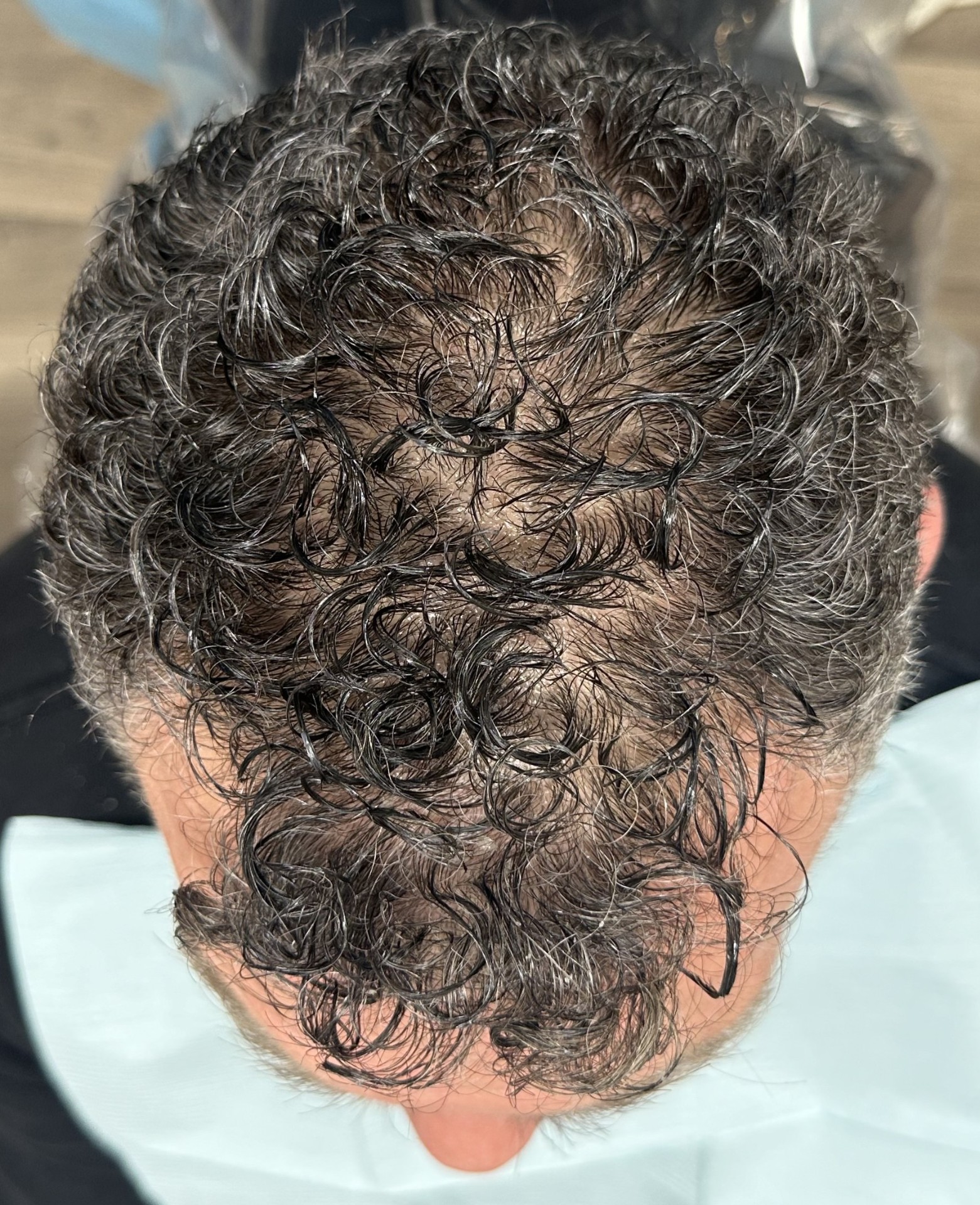
Before
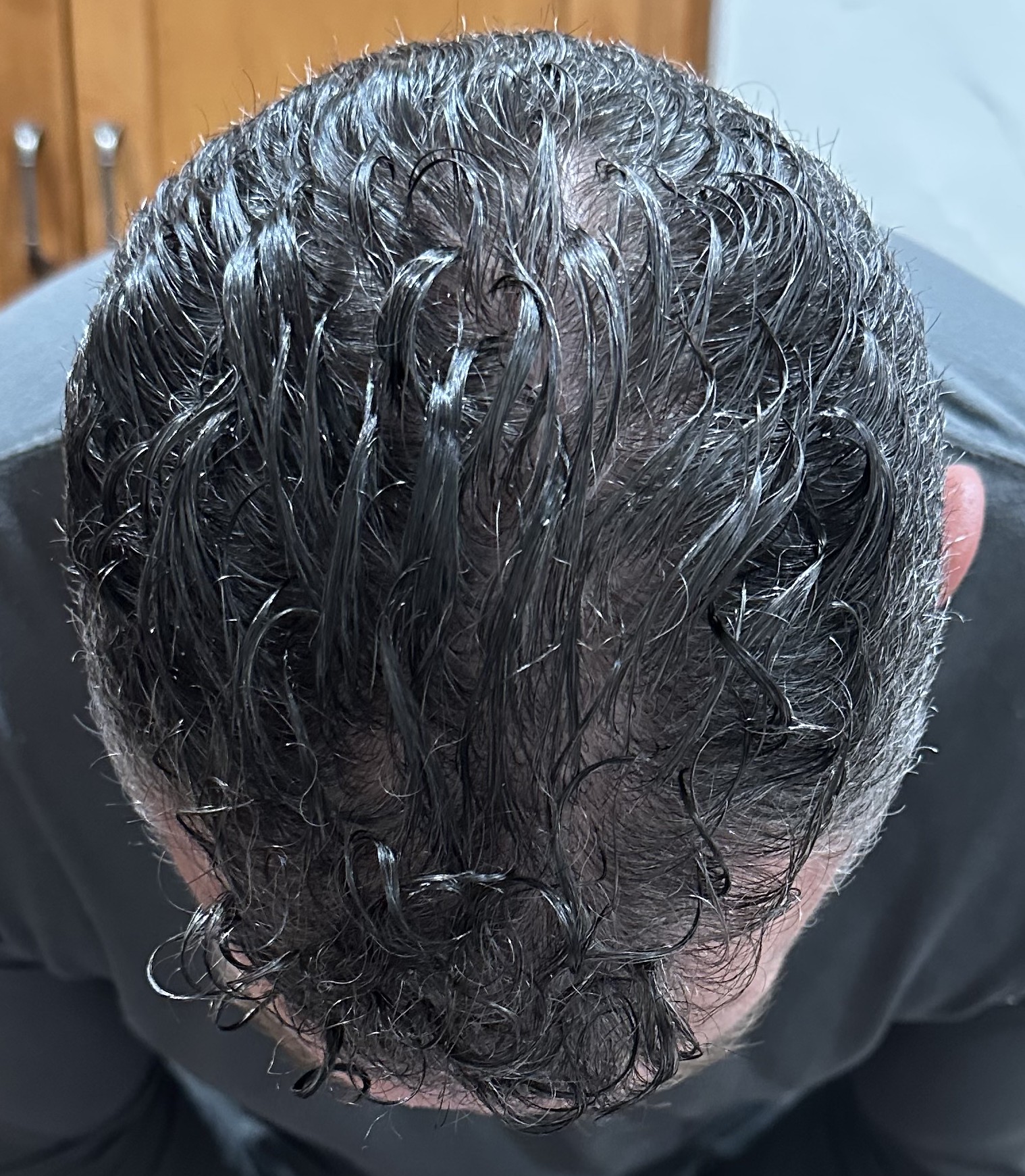
After
Months 1–2: Reduced shedding is usually the first thing patients notice.
Months 3–4: New, finer hairs begin to appear in thinning areas.
Months 4–6: Visible improvement in density and coverage.
Month 6–12: Peak results from the initial series. Maintenance begins.
Hair restoration is not instant — it follows the natural hair growth cycle, which takes time. Patience is part of the protocol.
Who's a Good Candidate?
Regenerative hair restoration tends to work best for patients who:
Are in the early to mid stages of pattern hair loss (visible thinning but follicles still active)
Have noticed shedding, a widening part, or thinning at the crown or hairline
Want a non-surgical alternative to transplant
Are willing to commit to a 4–6 month initial series
For patients with completely smooth, follicle-free areas, transplant remains the better option. We'll be honest with you about which category you're in.
Frequently Asked Questions
Is iPRF better than PRP for hair?
For most hair restoration cases, yes. iPRF avoids animal-derived additives and releases growth factors over a much longer window, which suits the slow biology of follicle stimulation.
Do you offer PRP hair restoration in Edmond?
We use iPRF rather than first-generation PRP, because iPRF is the upgraded version of the same regenerative approach — same biology, better delivery and cell concentration. If you've been researching PRP, iPRF is what you're looking for.
How many iPRF treatments will I need for hair regeneration?
Most patients start with a series of three iPRF treatments spaced 4–6 weeks apart, followed by maintenance every 6–12 months.
Does iPRF hair regeneration work for women?
Yes. Female pattern hair loss responds well to iPRF, particularly in the diffuse-thinning pattern common in women.
Is red light therapy worth adding?
For most of our hair patients, yes. It works through a different mechanism than iPRF and the combination consistently outperforms iPRF alone.
Take the Next Step
If you've been watching your hair thin and want a natural, non-surgical option, regenerative hair restoration may be the right fit. Learn about our natural aesthetic optimization services, or request a consultation with our Edmond, OK clinic.