

Modern TMJ Treatment: Understanding Prolotherapy, Iontophoresis, Arthrocentesis, and Today’s Regenerative Options
TMJ problems can be very frustrating for patients as they experience symptoms like jaw pain, headaches, earaches, popping or clicking, and jaw locking. Treatment can be confusing. Often, searches return a long list of options. Some of those options reflect the latest innovation and some are outdated. How can a patient know the difference?
This article explains the most common TMJ treatment options in clear, simple terms and describes why modern regenerative approaches are becoming the preferred choice for non-surgical TMJ care in Edmond and the Oklahoma City metro.
Understanding Why TMJ Problems Happen
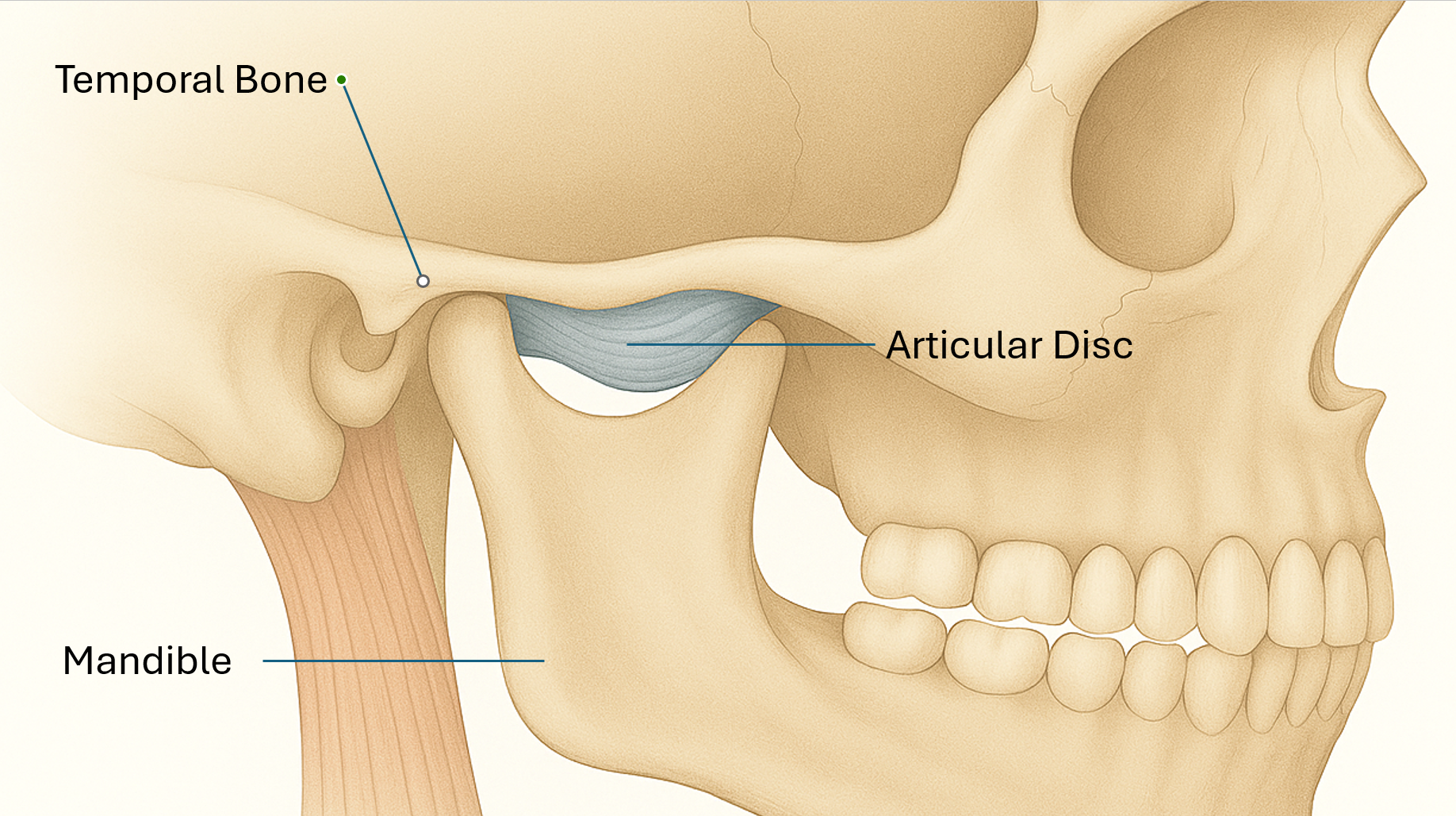
The temporomandibular joint (TMJ) is a small but complex structure. Problems often develop due to:
Inflammation inside the joint
Muscle tension or clenching
Narrowing of joint space
Soft tissue adhesions
Disc displacement
Chronic irritation of supporting ligaments
Most TMJ symptoms involve a combination of chronic inflammation and tissue breakdown. Because of this, treatments that restore tissue health tend to perform better than those that merely suppress symptoms.
Prolotherapy: An Older Approach With Limited Support
Prolotherapy attempts to stimulate healing by injecting an irritating solution—commonly dextrose—into ligaments or joint spaces.
Early theories suggested that this irritation might strengthen tissues. However, research over the years has shown that prolotherapy:
Has weak and inconsistent evidence
Does not regenerate tissue
Is not aligned with current understanding of TMJ biology
Has largely been replaced by more predictable regenerative therapies
For these reasons, prolotherapy is considered outdated in modern TMJ care.
Iontophoresis: Limited Benefit and Often Paired With Steroids
Iontophoresis uses a mild electrical current to help medications penetrate deeper into tissues. In TMJ treatment, the medication used is often a corticosteroid.
The issue is that corticosteroids, while temporarily reducing inflammation, also:
Break down collagen
Weaken connective tissues
Interfere with long-term healing
Since TMJ problems depend on healthy collagen-based structures, a treatment that depletes collagen can worsen long-term outcomes. For this reason, iontophoresis offers limited usefulness in TMJ care today.
Arthrocentesis: When It Helps and What It Can’t Do
Arthrocentesis is a minimally invasive surgical procedure performed by oral and maxillofacial surgeons. It involves placing small needles into the joint to:
Flush out inflammatory byproducts
Break soft tissue adhesions
Increase joint space
Improve disc mobility
Some surgeons also inject steroids into the joint at the end of the procedure, but this again raises concerns about collagen breakdown.
Arthrocentesis can be helpful in specific cases such as:
Acute locking
Severe disc displacement
Adhesions preventing normal movement
However, it does not regenerate tissue, and it introduces the risks associated with surgical intervention.
An important point is that ePRF injections can achieve many of the same mechanical benefits—such as releasing adhesions and increasing joint space—without surgery and with the added advantage of supporting true tissue healing.
Why Steroid Injections Are Not Ideal for TMJ Treatment
Steroids are often thought of as “anti-inflammatory,” but inflammation is not always harmful. There is a key distinction between two types of inflammation:
Chronic inflammation is the harmful type that damages tissues over time.
Acute inflammation is the good, short-term response that signals the body to begin the healing process.
Steroids shut down both kinds of inflammation. This means:
The joint cannot initiate normal repair
Collagen breaks down more quickly
Connective tissues weaken
Symptoms often return once the drug wears off
Because of these effects, steroid injections are falling out of favor for TMJ problems.
Regenerative Medicine: A Modern Approach to TMJ Healing
Regenerative TMJ therapies work differently. Instead of suppressing inflammation or forcing mechanical movement, they help the body repair itself.
How Platelet Therapy Improves TMJ Health
Platelet-based injections—PRP, iPRF, and ePRF—use a patient’s own blood to stimulate healing. Platelet therapies create a brief, controlled, acute inflammatory response. This is beneficial because it:
Signals the body to initiate tissue repair
Stimulates new collagen production
Helps strengthen the joint structures
Reduces chronic inflammation as healing progresses
Over time, chronic inflammation decreases because the tissues themselves become healthier.
Three Levels of Regenerative TMJ Treatment
1. PRP (Platelet-Rich Plasma)
A concentrated solution of platelets and growth factors that reduces chronic inflammation and supports tissue healing.
2. iPRF (Injectable Platelet-Rich Fibrin)
A more advanced form of platelet therapy that contains a higher concentration of regenerative cells and a fibrin matrix for sustained release.
3. ePRF (Enhanced Platelet-Rich Fibrin)
The most advanced form of PRF therapy, providing:
Greater regenerative potential
Ability to release soft tissue adhesions
Increased joint space
Improved disc mobility
Strong collagen-building effects
For many patients, ePRF can accomplish several of the same goals as arthrocentesis, while remaining non-surgical and regenerative.
Adjunct Therapies
Regenerative treatments are often complemented by:
Trigger point injections
Orthotics or splints
Muscle therapy
Behavioral changes
Lifestyle and sleep optimization
These help ensure the joint, muscles, and supporting structures all work together during recovery.
Comparison: Outdated vs. Modern TMJ Treatments
Treatment | How It Works | Evidence | Biological Effect | Typical Use Today |
|---|---|---|---|---|
Prolotherapy | Irritant injection | Weak | No regeneration | Largely outdated |
Iontophoresis | Electrical medication delivery | Limited | Temporary; often steroid-based | Occasional adjunct |
Arthrocentesis | Surgical flushing | Good for specific cases | Mechanical only | Used for severe locking |
Steroid Injection | Anti-inflammatory drug | Short-term | Collagen-depleting | Not recommended |
PRP | Platelet concentrate | Strong & growing | Regenerative | Common |
iPRF | PRF with higher cell content | Strong | Regenerative | Preferred over PRP |
ePRF | Enhanced PRF | Most advanced | Regenerative + mechanical benefits | Leading nonsurgical option |
Why Non-Surgical Regenerative Care Is Preferred
Non-surgical care is generally more effective for long-term TMJ healing because it:
Avoids surgical risks
Promotes natural tissue restoration
Reduces chronic inflammation over time
Strengthens joint structures instead of weakening them
Supports the biology of the TMJ rather than working against it
For most TMJ cases, a regenerative approach offers the best balance of safety, effectiveness, and lasting improvement.
TMJ Care in Edmond and the Oklahoma City Metro
Anagen Regenerative Health provides advanced regenerative TMJ treatments using PRP, iPRF, and ePRF. These therapies support natural healing and long-term joint health without surgery.
Patients seeking modern, effective TMJ care in Edmond or the OKC metro can benefit from a personalized, evidence-informed approach designed to help the body heal itself.